He Was Paralyzed Weeks Before Graduation. Now He’s a Nurse at the Bedside
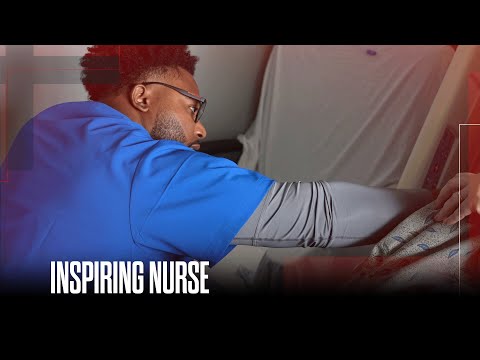
Ray’Mon Lewis rolls through the halls of Ochsner Medical Center in New Orleans with a confidence that turns heads. As Louisiana’s only practicing nurse who uses a wheelchair, he’s not just breaking barriers, he’s shattering stereotypes about what nurses can achieve, no matter the obstacles.
“I never looked down on a moment of being paralyzed,” Lewis said. “It’s the card I’m dealt, so I accepted it.” That unshakable attitude has fueled his journey ever since a life-changing car accident during his final semester at Southern University’s nursing program left him paralyzed from the chest down. But let’s be clear, this is not a story about pity or defeat. It’s about grit, determination, and how one nurse is proving that physical limitations don’t define your ability to care for others.
For Lewis, nursing wasn’t just a career choice, it was his calling. His inspiration came from his grandmother, a certified nursing assistant, and his own childhood spent in and out of hospitals for broken bones. “Nursing called me, truly,” he said. That calling would be tested in ways no one could have predicted.
During his final semester of nursing school, Lewis’s car flipped five times after he glanced away from the road. “Took my eyes off the road for a quick second,” Lewis remembered. The accident left him paralyzed. While he was still recovering, he wrestled with self-doubt. Could he still be a nurse? Would anyone hire him? But Southern University had his back, holding his spot in the program until he was ready to return. And return he did, just six months post-accident.
Picture this: Lewis commuting five days a week from LaPlace to Baton Rouge in his wheelchair-accessible van while juggling the demands of nursing school. He did all this after losing his grandmother weeks before graduation. “Everything is a challenge, but I live up to it. I don’t make any excuses,” he said. Nurses, if that doesn’t scream perseverance, I don’t know what does.

After graduation, the job hunt brought a new wave of anxiety. “The first thing I thought was, ‘Nobody’s going to accept me being in a wheelchair,’” Lewis said. But then came Ochsner Medical Center, where the conversation wasn’t about if Lewis could work on the floor but how they’d make it happen.
With creative problem-solving and teamwork, Lewis was given the tools he needed to thrive as a floor nurse. He’s adapted his practice in ways that only someone with his unique experience could. And let’s not forget the priceless impact he has on his patients. “Plenty of patients tell me, ‘Man, seeing you in that wheelchair makes me want to go hard and do better for myself,’” Lewis says. Talk about therapeutic inspiration.
Lewis’s story isn’t just inspiring, it’s a challenge to the nursing profession to rethink what inclusivity looks like. His journey shows that with the right support from institutions and a whole lot of determination, nurses with disabilities can deliver exceptional care.
For Ochsner, hiring Lewis wasn’t just about filling a role, it was about building a team rooted in collaboration and diversity. “He really embodies the spirit of nursing,” said head of nursing Renata Schexnaydre. “He’s really a living example of that.”
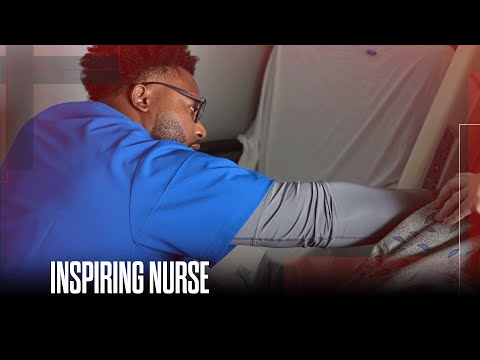
As nursing continues to face staffing issues and push for more inclusive workplaces, Lewis’s story offers a roadmap for the future. It’s proof that the profession is stronger when we embrace the talents of all qualified nurses, no matter their physical abilities.
So, next time you’re having one of “those shifts,” think of Ray’Mon Lewis. His journey is a reminder that nursing isn’t just about what you can do, it’s about how you show up, adapt, and care for others, no matter the circumstances.
Ray’Mon Lewis’s story shows how nursing is strengthened when support and flexibility are part of the workplace culture. According to the hospital, Lewis is currently the only nurse in Louisiana using a wheelchair, a reminder of how uncommon visible disability still is in the profession. His journey reminds nurses to reflect on how they support one another and encourages healthcare leaders to create workplaces where nurses can keep doing meaningful work and patient care, even when life circumstances changes.