Everything You Need to Know About the 2025-2026 RSV Season
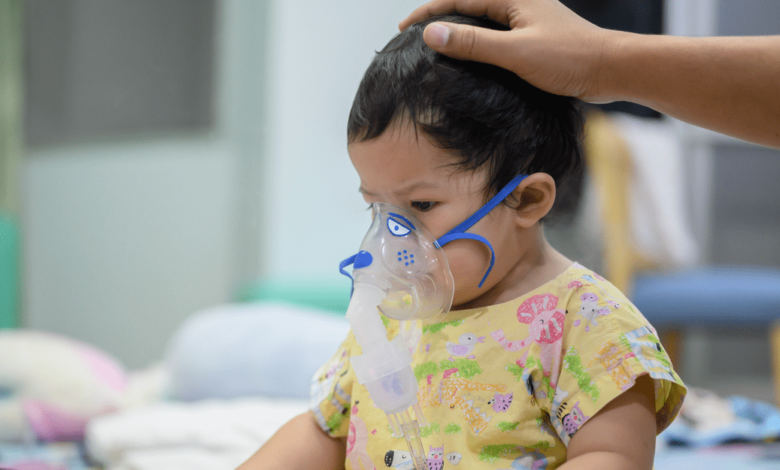
The respiratory syncytial virus (RSV) emerges each fall, causing cold and flu symptoms. Although healthcare workers are most familiar with this illness in children and the elderly, it can affect all age groups.
The virus infects the lungs and breathing passages. In rare cases, it leads to serious complications, including apnea, acute respiratory failure, and even death. Because this respiratory virus circulates at the same time of year as many other seasonal illnesses, it has been called a “hidden annual epidemic.”
According to the Centers for Disease Control and Prevention (CDC), healthcare providers need to consider RSV when caring for patients with respiratory illness — particularly during the RSV season. In most regions, that means October to January. In states with warmer climates, RSV season may start earlier and last longer.
As we head deeper into the winter season, nurses and other healthcare providers must be aware of this viral threat so they can protect their patients, families, and themselves. This post will arm you with everything you need to know for the 2025-2026 RSV season.
RSV is a single-stranded RNA virus from the Pneumovirus genus. Its structure consists of a ribonucleoprotein core surrounded by a bilipid-layer envelope that attaches itself to host cells. There is only one RSV serotype, but it is classified into two strains (“A” and “B”) based on the membrane proteins.


RSV Transmission
RSV spreads through large respiratory droplets (greater than 5 micrometers). When the virus enters the body through the nose, mouth, or eyes, it incubates for between 2 and 8 days. Most often, symptoms start about five days after exposure.
RSV Risk Factors
Although the virus may affect anyone, certain groups are at greater risk of RSV infection.
- Immunocompromised individuals
- Older adults (especially ≥75 or those 50–74 with risk factors)
- People with heart or lung conditions
- Premature infants
- Bottle-fed babies
- Children exposed to tobacco smoke and air pollution
- Children with comorbid conditions, including immunodeficiency, neuromuscular disorders, and congenital heart problems
Infants are more susceptible to RSV than adults because of anatomical differences, including narrower air passages, softer trachea, and shorter necks.
The symptoms of RSV are similar to those of other common respiratory viruses, such as rhinovirus and influenza. It usually causes mild, cold-like symptoms, including:
- Runny nose
- Nasal congestion
- Cough
- Sneezing
- Fever
- Myalgia
- Irritability in children and infants
With RSV, symptoms usually appear in stages rather than all at once.
RSV causes an upper respiratory illness but can progress to the lower respiratory tract. When this happens, bronchiolitis often occurs. Symptoms of bronchiolitis and lower respiratory infection include the following:
- Wheezing
- Tachypnea
- Rhonchorous (“rhonchi”) breath sounds
- Accessory muscle use
- Prolonged expiration
The infection can lead to pneumonia, hypoxia, apnea, and acute respiratory failure in severe RSV cases. Infants, elderly adults, and people with underlying medical problems are more prone to serious complications from RSV.
Currently, the treatment for RSV is to manage symptoms and wait for the illness to resolve on its own. Symptom management in RSV illness may consist of:
- Over-the-counter fever reducers and pain relievers
- Adequate fluids to prevent dehydration
Treatments that may be recommended for RSV-related bronchiolitis include:
- Supplemental oxygen for O2 sats less than 90%
- Hydration and nutrition supplementation
- Pulse oximetry
Rarely, people with severe infections may need to be hospitalized. They might also get a breathing tube or be put on a ventilator.
Decreasing exposure to RSV and limiting transmission are the best ways to prevent infection.
Since the virus is spread through contact with droplets, the CDC recommends these steps to prevent the spread of the virus.
- Covering coughs and sneezes with a tissue or clothing, not hands
- Frequent hand washing
- Disinfecting high-traffic surfaces like cellphones, doorknobs, and tabletops
Anyone with cold-like symptoms should avoid contact with children, seniors, and high-risk individuals with health problems or a weakened immune system.
Specifically, they should refrain from kissing babies or holding hands with children.
Parents of high-risk infants and children can help protect their children during RSV season by:
- Cleaning their hands frequently, since children tend to touch their eyes, nose, and mouth often
- Restricting contact with family and friends who have cold symptoms
- Limiting time spent in crowded places or settings like daycares, where there may be high RSV activity
Likewise, caregivers of aging parents or elderly adults must be on guard this RSV season. “The virus is increasingly recognized as a significant cause of respiratory illness in older adults,” says William Schaffner, MD, medical director of the National Foundation of Infectious Diseases.
RSV outbreaks can happen in nursing homes and assisted living settings as well. To prevent the spread of illness among seniors, it is important that people with cold symptoms avoid close contact and sharing cups or utensils. Also, good hand hygiene is paramount.
New for the 2025-2026 RSV season is vaccination! Currently, the CDC recommends that babies be protected against RSV through either:
- Maternal RSV vaccine (Pfizer’s Abrysvo) given to the mother during pregnancy OR
- The RSV antibody (nirsevimab or clesrovimab) given to the baby
The maternal RSV vaccine is administered to pregnant women between 32 and 36 weeks of pregnancy (typically in September–January). The maternal antibodies protect the newborn against RSV for approximately six months after birth.
The infant RSV antibody provides immediate protection to the newborns and lasts approximately five months. This is recommended for babies under eight months of age.
Most infants will not need both maternal vaccination and an infant monoclonal antibody.
Nirsevimab is also recommended for a select number of children 8-19 months of age who are at increased risk for severe RSV. This includes,
- Children born prematurely and who have chronic lung disease
- Children with severe immunocompromise
- Children with severe cystic fibrosis
- American Indian and Alaska Native children
The CDC recommends RSV vaccination for all adults aged 75 and older and for adults aged 50–74 who are at increased risk for severe RSV disease, including those with chronic lung or heart disease, immune compromise, or residence in long-term care facilities. CDC currently notes RSV vaccine is not an annual vaccine and if you already received one, you do not need another at this time.
Even though RSV is common and often goes away on its own, it can be a dangerous pathogen in certain groups, like children and seniors. Nurses and other healthcare professionals must be knowledgeable about this illness, including symptoms and treatment. Nurses should also educate their patients and families about the current vaccination recommendations and eligibility. The vaccine has proven to decrease the severity of illness and spread of pathogens.