Patient Dies in Telehealth ICU With No Doctors Present—Only on Video, Family Lawsuit Says
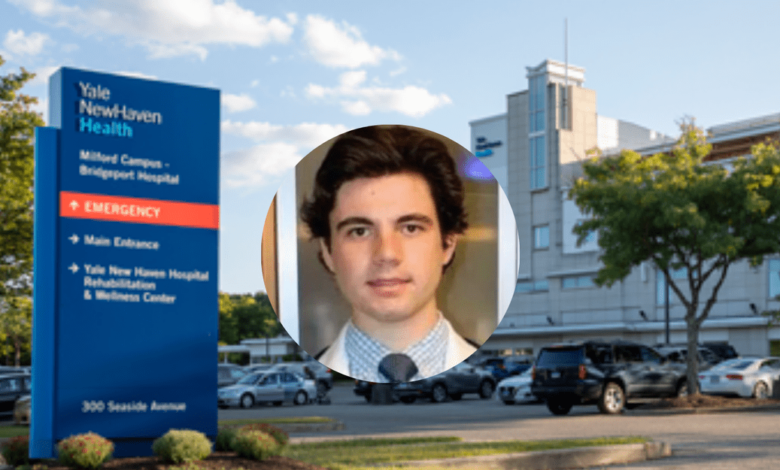
A wrongful death lawsuit alleges that a 26-year-old dental student died in a Connecticut ICU that had no on-site doctors, relying entirely on remote telehealth monitoring to oversee critically ill patients.
The family of Conor Hylton filed the lawsuit against Yale New Haven Health-Bridgeport Hospital on March 31, 2026, in Bridgeport Superior Court. According to the complaint, the Milford Campus ICU where Hylton was treated was a “tele-ICU,” meaning no qualified ICU intensivists were physically present. Instead, doctors were allegedly “located off-site at a centralized remote location, purportedly monitoring critically ill patients through a video screen.”
Attorney Joel T. Faxon of the Faxon Law Group, who is representing the family, told PEOPLE: “If the Hylton family knew that their son was being placed in a fake ICU with no doctor present they would have demanded he be transferred to a hospital that could properly treat him. They were never given that option and, tragically, Conor died as a result.”
Hylton, a University of Connecticut dental student from North Haven, Connecticut, arrived at Bridgeport Hospital’s Milford Campus emergency room at approximately 11:00 a.m. on August 14, 2024, with severe abdominal pain, nausea, and vomiting. He was diagnosed with alcohol-induced pancreatitis, dehydration, metabolic acidosis, and alcohol withdrawal and classified as high risk. His condition continued to deteriorate over the evening, and he was transferred to the ICU. According to the lawsuit, his parents were not notified of the transfer.
The complaint states that the assigned hospitalist never physically assessed Hylton after he was admitted to the ICU. No CIWA assessment for alcohol withdrawal monitoring was performed. An expert medical opinion included with the lawsuit stated that “no on-site doctor assessed Mr. Hylton from the time he was admitted to the ICU until after he exhibited seizure activity at 4:30 a.m.”



At approximately 4:30 a.m. on August 15, 2024, the complaint states, “Mr. Hylton slid down in bed, his eyes rolled back and he became unresponsive and exhibited seizure-like activity, vomited, became bradycardic and code was called.” When an on-site doctor was summoned to intubate Hylton, that provider did not know how to find the ICU and had to get directions from another staff member, causing a delay in care. Hylton was intubated but could not be resuscitated. He was pronounced dead by a telehealth provider on a video screen.
>>Listen to The Latest Nurse News Podcast
The lawsuit has thrust tele-ICU staffing models into the national spotlight. Tele-ICU systems, which use remote intensivists to monitor patients via camera and real-time data feeds, have been expanding across the country, often positioned as a solution to the growing shortage of critical care physicians. Proponents argue the technology extends specialist oversight to underserved facilities.
But the Hylton case illustrates what can go wrong when tele-ICU is used as a replacement for bedside physicians rather than a supplement. The lawsuit alleges that the hospital “allowed for extremely poor communication among the providers responsible for Conor’s life,” which the complaint says is “especially dangerous to patient care when the hospital is relying on off-site tele-ICU providers.”
A Connecticut Department of Public Health investigation completed in July 2025 found that the hospital “failed to ensure quality medical care was provided” to Hylton. Investigators also found that staff “failed to ensure nursing assessments were conducted in accordance with the physician’s order” and “failed to effectively communicate the patient’s needs as documented.”
Faxon, the family’s attorney, said in a press release: “It’s alarming to think in a supposedly intensive care setting: Where is a doctor? Where are the nurses? How does the emergency doctor not know how to get to the ICU to provide life saving care?”
Yale New Haven Health said in a statement that it “is committed to providing the safest and highest quality of care possible” but is “unable to comment on pending litigation.”
Nurse.org has contacted the hospital for a statement and will update the article once one is received.