Vermont Hospital’s New On-Call Policy Sparks Unanimous Strike Vote from OR Team
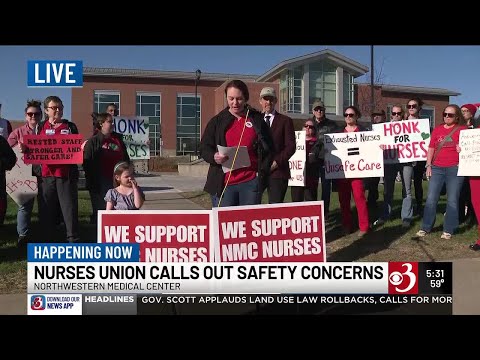
Image source: St. Albans Messenger
A potential strike is brewing in northern Vermont, where surgical nurses at Northwestern Medical Center in St. Albans say they are prepared to walk off the job rather than accept a new on-call policy they argue would force them to work dangerously sleep-deprived.
According to reporting from WCAX, 100 percent of the hospital’s operating room nurses, along with most of its inpatient nurses, have pledged to strike if management proceeds with its proposal to replace the current overnight on-call structure for surgical services.
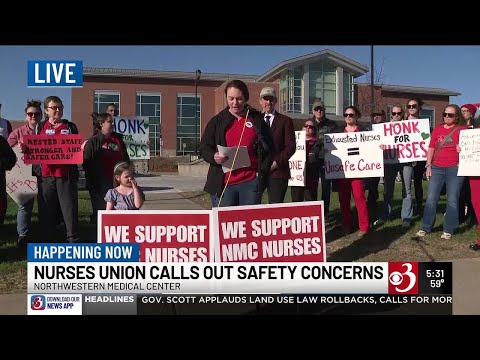
About two dozen nurses rallied outside the hospital on Thursday, April 24, 2026, joined by Vermont Lt. Gov. John Rodgers, who said he was there to “stand alongside the 160 nurses at NMC and to add my voice to the broad community support calling on the administration to hear the nurses and settle a fair contract that prioritizes staff nurses over travel nurses. Any agreement must assure the safety of both nurses and patients.”
Northwestern Medical Center, a community hospital serving Franklin County, currently staffs after-hours surgical coverage with four full-time nurses paid a fixed salary, an arrangement that costs the hospital about $350,000 per year.

The hospital wants to replace that system with a standard on-call schedule, paying day-shift surgical nurses a flat on-call rate plus time-and-a-half when they get called in. NMC projects the change will save roughly $176,000 a year, which it says will be reinvested in nurse wages and starting pay.
Under the proposal, a nurse who finishes a regular day shift could be called in overnight for emergency surgery and then be expected back on the floor a few hours later for another full shift, according to MyChamplainValley.com.
>>Listen to The Latest Nurse News Podcast
Surgical Services nurse Janelle Hunt has helped lead the union’s public response. She described the worst-case scenario for nurses under the proposed schedule: working until 6:30 p.m., being called in at 1 a.m. for emergency surgery, and then returning to the floor at 6:15 a.m. for a full day shift.
“This is not the tired nurse I want taking care of my family,” Hunt said. “This is when mistakes happen that could affect your loved ones while they are being cared for at the hospital, and it also forces good people to quit and leave the community we know and love.”
Nurses also pushed back on the hospital’s framing of the change as a cost-saving measure, pointing to NMC’s spending on contract labor. The hospital’s travel nurse budget rose 11 percent to $5.8 million, the highest figure on record, even as administrators look to trim the on-call line item.
NMC has defended the proposal as both fiscally responsible and consistent with how other hospitals staff after-hours surgical coverage. In a statement, the hospital said the changes would “benefit a large number of nursing staff in a financially sustainable way” and reaffirmed its commitment to negotiating a contract with the union.
Administrators have also said the new on-call schedule would align with industry standards and that savings would flow into higher base wages for nurses across the system. Negotiations between NMC and the nurses’ union are scheduled to continue today, Tuesday, April 28.
The standoff at Northwestern Medical Center is the latest example of a national tension over on-call scheduling, fatigue, and patient safety in surgical services. Research has long linked extended shifts and disrupted sleep to higher error rates, and OR nurses often raise concerns about being expected to perform high-stakes work in the middle of the night and then return for a full day shift.
For nurses watching this dispute, the outcome could shape how community hospitals across the country structure surgical call coverage, particularly the trade-off between dedicated overnight teams and shared day/night rotations. It also underscores the growing willingness of bedside nurses to use a strike pledge as leverage when they believe a scheduling change crosses a safety line.