Tufts OR Nurses Say Leadership Endangers Patients Through Poor Staffing
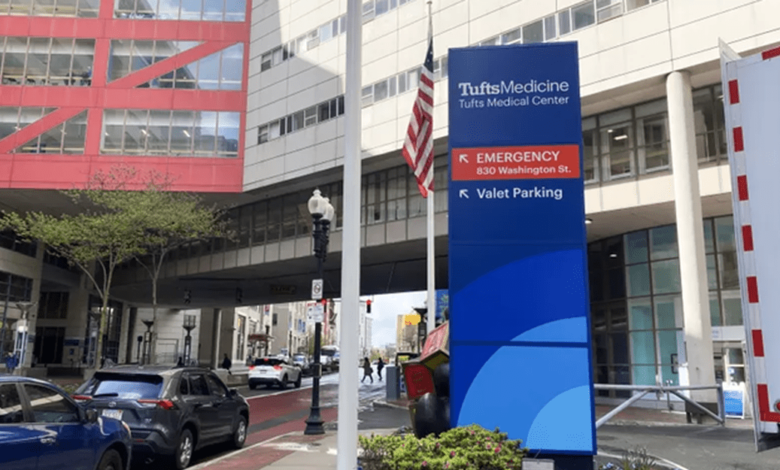
Image source: Tufts Medicine
The operating room nurses at one of Boston’s largest teaching hospitals have taken an extraordinary step against their own leadership. According to The Boston Globe, 74 of the 81 nurses staffing the operating rooms at Tufts Medical Center signed a letter of no confidence in Anna DaSilva, the executive director of perioperative services, declaring she cannot manage the OR department “safely and appropriately.”
The letter, delivered Thursday by the Massachusetts Nurses Association (MNA), follows months of complaints about staffing levels that nurses say have left them stretched thin and fearful for patient safety.
“The bottom line is there aren’t enough staff,” Mary Havlicek Cornacchia, an OR nurse and co-chair of the MNA’s Tufts local, told the Globe.
Of the roughly 21 operating rooms at Tufts, only about 10 have scheduled nursing coverage on a given day, according to Boston.com. The remaining rooms rely on on-call staff, with nurses earning just $10 per hour while waiting on standby outside the hospital.

Nurses have reported staggering overtime totals. Per the Massachusetts Nurses Association, one nurse worked 38 overtime hours in each of two consecutive weeks in March. Another logged 32 regularly scheduled hours alongside 128 on-call hours in a single week.
Izzy Stern, a 10-year Tufts veteran who builds the OR’s daily staffing schedules, told GBH News the OR logged roughly 1,206 unfilled hours across April alone, with some nurses clocking 78-hour workweeks.
“It was definitely not something I wanted to do, but it was something that I felt I had no choice to do because we were at a point where it’s just so bad,” Stern said of signing the letter.
>>Listen to The Latest Nurse News Podcast
The nurses say roughly 10 of their colleagues retired or resigned over the past year, and management has not filled those vacancies. Months of meetings with hospital administrators yielded “many promises” but no concrete action, the union said.
David Schildmeier, the MNA spokesperson, called the no-confidence letter “a last resort, in an attempt to prevent an inevitable tragedy.”
The union has also filed regulatory complaints with the Massachusetts Department of Public Health, the American College of Surgeons, the Joint Commission, and the Centers for Medicare and Medicaid Services. The allegations underlying those complaints have not been adjudicated.
Charlene Verga, associate director of clinical nursing for the union, did not mince words about the current state of care. “I wouldn’t want my loved one to have surgery at Tufts, and I feel bad saying that, but it’s nurses saving the day right now,” she told Boston.com.
Hospital spokesperson Bill Durling said Tufts remains “confident in our staffing plan and nursing leadership” and that “patient safety, quality, and caregiver well-being remain our highest priorities,” according to the Globe. DaSilva has not publicly responded to the no-confidence letter.
Unfortunately, this situation is playing out in operating rooms nationwide: hospitals filling chronic vacancies with mandatory overtime and on-call shifts rather than full-time hires. For perioperative nurses, the Tufts case underscores the regulatory tools available when internal complaints stall. Escalating to state health departments, accreditors like the Joint Commission, and CMS can apply external pressure that internal grievance processes often cannot.
It also highlights how a no-confidence vote, while non-binding, can shift the public narrative and put hospital leadership on notice. If you’re working in a department where staffing complaints are going unanswered, knowing your union’s escalation pathways and your state’s safe-staffing reporting channels could be your most powerful protection.