Off-Duty Nurse Practitioner Helps Victims After Toledo Festival Shooting
Image sources: Mercy Health, Instagram
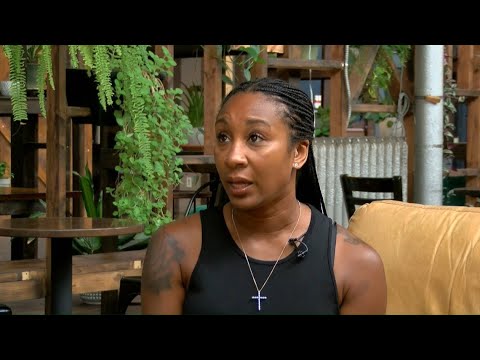
An off-duty nurse practitioner is being credited with helping wounded victims after a mass shooting near Toledo’s Old West End Festival, according to WTVG. Whitney Beachum was attending the popular Ohio street festival on Saturday, June 6, 2026, when gunfire erupted and turned a community celebration into a chaotic emergency scene.
Beachum first ducked for cover. But when she spotted multiple people who had been shot, her instincts took over. She approached a police officer, identified herself, and asked a single question that put her to work: “Hey, I am a medical professional, do you want my help?” The officer said yes.
What followed is a snapshot of something nurses understand well: training doesn’t switch off when the badge comes off. In the minutes before emergency responders could reach every victim, Beachum got a pair of gloves and began treating the wounded.
Want to see more Nurse.org articles in your Google results? Add us as a preferred source.
The shooting unfolded near the Old West End Festival in Toledo, Ohio, on the evening of Saturday, June 6. Toledo police responded to reports of people shot near the festival around 5:30 p.m. In all, 12 people were injured, with two initially reported in critical condition. There were no reported deaths, and by Sunday all 12 victims were listed as stable.
For Beachum, the experience was overwhelming. “Bullets were flying everywhere,” she told WTOL, describing the scramble for safety before she turned back toward the people who needed care. After getting the officer’s go-ahead, she removed clothing from one male victim to assess and address his wounds while law enforcement worked around her.
Days after the shooting, Toledo police were still working to identify those responsible. Investigators determined there were two shooters involved and executed a search warrant at a local address in connection with the case. An 18-year-old was taken in for questioning, but he was later released, and officials have not announced any official charges in the case at this time. No allegations against any individual have been proven, and the investigation remains active.
Beachum, for her part, kept the focus off herself and on the community. “It’s powerful when we can all help each other during moments like that,” she said, adding that she hopes “everyone finds it within themselves to help each other.”
Organizers of the Toledo Old West End Festival cancelled events for the following day. A note on the festival’s website says: “Too often we turn on the news and learn of a celebration somewhere that turns into a tragedy. Now, that news comes from our own neighborhood. We are heartbroken about those that were injured at the Old West End Festival. Many people want to know how we proceed from such a dark place. After discussion with festival organizers, law enforcement and the City of Toledo, we feel that it would not be compassionate, responsible or possible to continue festival.”
>>Listen to The Latest Nurse News Podcast
Beachum’s story will feel familiar to a lot of nurses, because it reflects a reality the profession lives with every day: you are a clinician whether or not you’re on the clock. Off-duty nurses and nurse practitioners are increasingly the first trained responders at concerts, festivals, and public spaces when gun violence strikes, stepping in during the critical window before EMS can reach every patient.
That window matters. Bystander hemorrhage control, basic airway management, and rapid triage in the first few minutes can be the difference between a stable patient and a fatality, which is exactly why initiatives like Stop the Bleed exist. Beachum’s quick assessment, her move to control bleeding, and her decision to coordinate with the officer on scene rather than act alone are textbook examples of how clinical training translates outside the hospital walls.
It also raises hard questions the profession continues to wrestle with: the emotional toll of responding to mass-casualty events, the gray area of acting as a Good Samaritan without your usual equipment or backup, and the very real safety risk of running toward danger. Many states offer Good Samaritan protections for clinicians who render aid in emergencies, but the scope varies, and it’s worth knowing where your state stands before you’re ever in Beachum’s shoes.
🤔 Have you ever had to use your nursing skills outside of a clinical setting? What happened?
If you have a nursing news story that deserves to be heard, we want to amplify it to our massive community of millions of nurses! Get your story in front of Nurse.org Editors now – click here to fill out our quick submission form today!
-
Published on
June 10, 2026
Written by