Ebola Is Back: What Nurses Need to Know About the 2026 Outbreak
A new Ebola outbreak is spreading across Central Africa. Caused by the Bundibugyo strain of the virus, the outbreak began in the Democratic Republic of the Congo (DRC) in May 2026, quickly crossed into Uganda, and has since been declared a Public Health Emergency of International Concern (PHEIC) by the World Health Organization, a rare designation indicating the severity of the outbreak. For nurses in public health, emergency, and critical care settings, here’s what you need to know.
Want to see more Nurse.org articles in your Google results? Add us as a preferred source.

Bundibugyo is one of the rarer strains of Ebola. It was first identified in Uganda in 2007 and caused a second outbreak in the DRC in 2012. In those earlier episodes, case fatality rates ranged from 30 to 50% — though the current outbreak is running lower, likely due to faster clinical intervention in some areas.
The most important thing to know: there are no licensed vaccines specifically for this Bundibugyo strain . Unlike the more common Zaire strain of Ebola, for which two FDA-approved vaccines exist, Bundibugyo has no licensed countermeasures. That makes infection prevention — and the nurses enforcing it — the primary line of defense.
The outbreak is large and growing fast. As of June 8, the DRC Ministry of Health reported 598 confirmed cases and 115 deaths, with 297 people hospitalized in isolation — including 48 new confirmed cases and 14 new deaths in a single day. Uganda has reported 19 confirmed cases and two deaths as of June 6.
Cases have now spread across 25 health zones in three DRC provinces — Ituri, North Kivu, and South Kivu. The outbreak first surfaced through clusters of severe illness among healthcare workers, a reminder of the occupational risk nurses face when Ebola enters a care setting without early recognition.
This is the 17th Ebola outbreak in the DRC since 1976, arriving just five months after the previous one ended. It is now the largest Bundibugyo outbreak ever recorded.
At a June 5 briefing, CDC Incident Manager Dr. Satish Pillai described what’s driving the severity: “The outbreak currently underway is serious, because of the scale of transmission, because of the conditions in the affected regions — including active conflict, and significant challenges to community access.”
The region is marked by armed conflict, population displacement, and heavy cross-border movement from mining — all of which make tracing and isolating cases significantly harder. (WHO)
Understanding why this outbreak grew so fast requires looking at what happened in the weeks before it was officially confirmed.
The presumed first case, a healthcare worker in Bunia, developed symptoms on April 25. The outbreak wasn’t officially declared until May 15 — a nearly four-week window during which the virus spread undetected across provinces and into a neighboring country.
Several factors explain the delay.
- The wrong test was in the field. Regional labs initially tested samples using assays designed to detect the Zaire strain of Ebola — the strain behind previous DRC outbreaks. Because this outbreak is caused by the rarer Bundibugyo strain, those tests didn’t catch it. Samples had to be transported over 600 miles from Ituri Province to the national lab in Kinshasa for confirmation, adding days to the clock.
- Early cases looked like other diseases. Bundibugyo’s early symptoms — fever, headache, fatigue — overlap closely with malaria and other common illnesses in the region, making it easy to miss without a high index of suspicion.
- Surveillance infrastructure had shrunk. Major funding cuts beginning in March 2025 led the International Rescue Committee to reduce operations from five to two areas of Ituri — the province at the center of the outbreak. The IRC says those cuts weakened the disease surveillance systems that might have caught cases earlier.
The result was stark. Suspected cases rose from 246 to 500 in just 96 hours after the outbreak was declared — a sign of how much had already been circulating. As of June 1, only 20% of contacts were being traced, leaving the IRC to warn that the true scale is likely far larger than official figures reflect.
Think Global Health, a publication of the Council on Foreign Relations, analyzed the detection timelines of six Ebola outbreaks and found this one unusual in how long it circulated before confirmation. Their piece includes a comparison chart worth reviewing. The bottom line, as they put it: “An Ebola outbreak circulating undetected for weeks or months is a collective failure of global health security, regardless of cause.”
For nurses, the lesson isn’t political — it’s clinical. Every week of undetected spread makes containment harder, case counts higher, and the demands on healthcare workers greater.

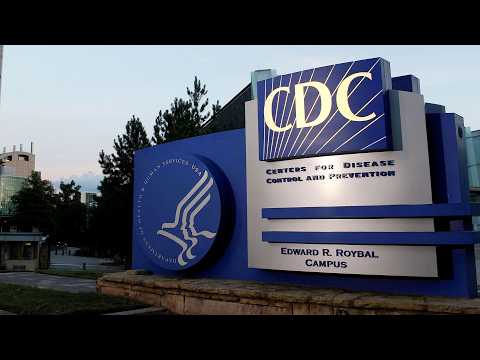
The CDC’s current assessment is that the risk to the general American public is low — consistent with WHO and other international health agencies. But low risk has still triggered significant federal action.
Since mid-May, the U.S. has implemented enhanced screening and travel measures, including routing travelers who recently traveled to the DRC, Uganda, or South Sudan through designated airports. Enhanced screening is now underway at four U.S. airports — Washington Dulles, Atlanta, Houston, and JFK. Travelers from affected countries are rerouted to these airports, screened for symptoms, and given guidance on self-monitoring for 21 days.
As Dr. Pillai said at the June 5 briefing: “We released this dedicated risk assessment not because the risk is high but because we know there is concern about the outbreak. The risk is low. That is not reassurance for its own sake.”
>>Listen to The Latest Nurse News Podcast
When an Ebola case arrives in the U.S., the clinical response gets the attention — isolation, PPE, lab confirmation. But whether one case becomes twenty is largely determined before any of that, by the public health nurses who are first to hear a patient mention they just returned from Kampala, or who flag an unusual cluster of fevers in a resettlement community. That’s the surveillance function that doesn’t show up in dashboards.
The DRC’s contact tracing rate sat at 20% through early June — far below the 90% threshold needed to stay ahead of transmission. If a case were imported here, closing that gap would fall substantially on public health nurses. And the relational trust that makes contact tracing work isn’t built during an emergency. It exists because of sustained, unglamorous work done long before any outbreak begins. The 2026 outbreak is a reminder of what happens when that infrastructure erodes. The investment in public health nursing is, in the most literal sense, an investment in early warning.
Popular Online Public Health Programs

GCU’s College of Nursing and Health Care Professions has a nearly 35-year tradition of preparing students to fill evolving healthcare roles as highly qualified professionals.
Accreditation

CCNE
Location

Online
Prerequisite

RN Required

Prepare for a career in the growing health care field at Purdue Global. Purdue is committed to helping you find the most efficient and affordable path to your goal by applying work experience, prior learning credits, and military experience.
Accreditation
Multiple
Location
Online

Chamberlain University is the #1 largest school of nursing with a community of more than 177,000 students, faculty, and alumni. Chamberlain offers BSN, MSN, NP and DNP programs online and has a long history of successfully delivering top quality education.
Accreditation
CCNE
Location
Online
Prerequisite
RN Required
Enrollment: Nationwide except CT, NY, RI

Earn your nursing degree from one of the largest nursing education providers in the U.S. Walden University’s BSN, MSN, post-master’s APRN certificate, and DNP programs are accredited by the Commission on Collegiate Nursing Education (CCNE). Get enhanced practicum support with our Practicum Pledge.
Accreditation
CCNE
Location
Online
Prerequisite
RN Required
Enrollment: Nationwide, excluding CT, MS, ND, NY and RI. Certain programs have additional state restrictions. Check with Walden for details.

Southern New Hampshire University is a private, nonprofit, accredited institution serving over 200,000 online learners and more than 3,000 on-campus students worldwide. SNHU’s online health and human services programs help students build practical, career-focused skills for today’s healthcare and public health fields.
Accreditation
Location
Online
What Nurses Should Know and Do
- Know what it looks like. Bundibugyo starts with fever, headache, muscle pain, sore throat, and fatigue — symptoms that overlap with flu, malaria, and a range of other illnesses. It can progress to organ failure and bleeding. The window from exposure to symptoms is 2 to 21 days.
- Act before you have a confirmed diagnosis. If a patient presents with fever and recent travel to the DRC, Uganda, or South Sudan, isolate them and notify your infection control team and local health department immediately. The CDC’s framework is simple: identify, isolate, inform. Don’t wait for lab confirmation to start that process.
- Know your PPE requirements. For any suspected Ebola patient, CDC and OSHA require full skin coverage, a trained observer during every step of putting on and removing protective gear, and additional precautions for any procedures that generate airborne particles. The 2014 Dallas cases, in which two nurses contracted Ebola due to PPE protocol gaps, remain the clearest example of what happens when those steps are skipped.
- Follow up with returning healthcare workers. Nurses who return from working in DRC, Uganda, or South Sudan should check their temperature before every shift for 21 days. Occupational health teams can manage this monitoring in coordination with local health departments.
- Be a calm source of accurate information. Patients, families, and community members will have questions. Reinforce that current domestic risk is low, that screening measures are active, and that CDC’s Ebola page is the best place for up-to-date guidance.
The 2026 outbreak is a reminder that global health emergencies don’t stay global for long. When a virus with no approved vaccine spreads undetected for weeks in a conflict zone, crosses an international border, and lands in airport screening queues, the U.S. public health system — and the nurses within it — absorbs that pressure.
The U.S. has committed over $200 million to the response, and WHO and Africa CDC launched a joint continental response plan on June 5. The resources are being mobilized. The question now is whether containment can catch up to a virus that had a month’s head start.
As Dr. Pillai said: “We know what it takes to control, contain, and end an Ebola outbreak.” Nurses, as always, will be part of making that happen.
This article will be updated as new information becomes available. All case counts reflect the most recent publicly available data at time of publication.
🤔 How prepared do you feel for such outbreaks? Tell us in the comments below.
If you have a nursing news story that deserves to be heard, we want to amplify it to our massive community of millions of nurses! Get your story in front of Nurse.org Editors now – click here to fill out our quick submission form today!
-
Published on
June 10, 2026
Written by