Lawmakers Propose $1M Fund to Support Nurses Harmed by Kansas State Board Actions
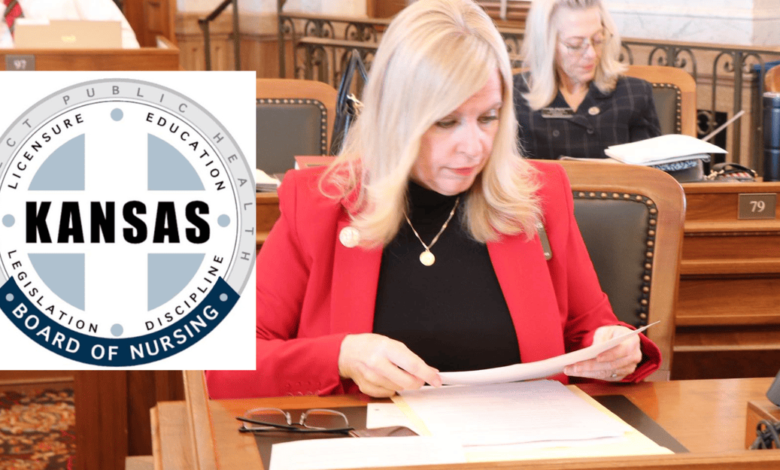
Kansas lawmakers are taking steps to address growing concerns from nurses who say they’ve been unfairly disciplined by the Kansas State Board of Nursing.
The Kansas House Appropriations Committee recently agreed to form the Nurse Fair Treatment and Recovery Fund, designating $1 million to compensate nurses who can prove they were punished by the board over actions that did not involve clinical care.
The Fund is the result of a series of reports and nurse testimonies describing alleged overreach and “corruption” by the Board, including pressured consent agreements labeling nurses as “unprofessional” for minor administrative lapses. One accusation even alleges that the Kansas Board of Nursing issued an “unprofessional conduct” demerit to a nurse who simply clicked the wrong button while filling out a license renewal online.
Such disciplinary records often follow nurses for life, undermining careers and reputations even when no patient harm occurred.




Among the nurses who claim to have harmed by the board’s action is Amy Siple, a nurse practitioner with more than 30 years of experience, who temporarily paused her practice to care for her husband during his cancer treatment.
After discovering her license had expired by a few months, she renewed it immediately, and with some level of distress, because after 32 years of practice, she had never once been late on renewal.
Siple filled out her license renewal application, but also immediately received calls from the Kansas Board of Nursing, who said they needed to inquire about her “activities” following her license expiring.
The Board investigated Siple for conference presentations and talks at senior centers she had given on dementia, and said that the presentations counted as practicing without a license.
According to Siple, the Board of Nursing demanded that Siple sign a consent agreement that she was “unprofessional, a move Siple says would have been a “career-ender.” Once nurses are designated as unprofessional, it’s nearly impossible to get hired again or buy malpractice insurance, which NPs are required to have in Kansas.
Siple has pressed back, arguing that giving talks is not practicing nursing care and accusing the Board of wanting to punish her for speaking out about lockdowns during the pandemic.
The Pacific Legal Foundation, a nonprofit law firm known for defending citizens against government overreach, is assisting in ongoing appeals for several affected nurses.
“We want to maintain the requirements to have the best nurses available, but we also want to ensure that we’re not unintentionally making it more difficult for them to maintain their occupation because of undue regulations,” Republican state Rep. Kristey Williams of Augusta told The Sunflower State Journal last year.
Rep. Sean Tarwater (R–Stilwell) went further, calling for the Nursing Board to clear all consent orders issued within the past five years that resulted from simple clerical errors or online renewal problems.
“I would like to see the Board of Nursing do what they’re supposed to do. They need to work for the nurses, not against the nurses,” he said.
If approved, the new fund would allow nurses to file claims for reputational or financial harm caused by improper disciplinary actions, marking a potential turning point in how Kansas treats professional oversight and accountability.
For nurses across the state, this proposal could bring relief to nurses who have had no real place to turn after believing they received unfair treatment from the Kansas State Board of Nursing.
Nurse Erica, a popular nurse advocate and activist, even called the move “revolutionary.”
The fund’s creation also raises interesting questions about transparency, accountability, and the balance between regulation and protection in nursing practice, such as who is responsible for ensuring nursing boards aren’t unjustly punishing nurses, or to what role is the Board of Nursing to be involved in on a personal level in nurses’s actions, such as their social media or personal beliefs?
There is also some pushback to the bill, which some nurses say could potentially wipe out truly unprofessional conduct and records of some nurses, such as those who were accused of sexual misconduct or stealing credit card information from a deceased patient. Advocates, however, say the bill only voids and protects nurses who are seeking retribution for issues arising specifically from license renewal attempts.
Nurses are encouraged to stay informed and engaged as this bill moves through the legislature. You can:
- Contact your state representatives to voice support for the Nurse Fair Treatment and Recovery Fund.
- Share your experience—if you’ve faced unjust or disproportionate disciplinary action, consider submitting testimony or reaching out to professional organizations advocating for reform.
- Join discussions hosted by local nursing associations to help shape policy that protects both patients and nurses.
For the nurses who say they were unfairly targeted, the fund is also a personal validation of their status as nursing professionals.
“I can’t prove that this is personal, but…I think it is,” Siple said.