Action needed to reduce risk of surgical swabs being left in patients
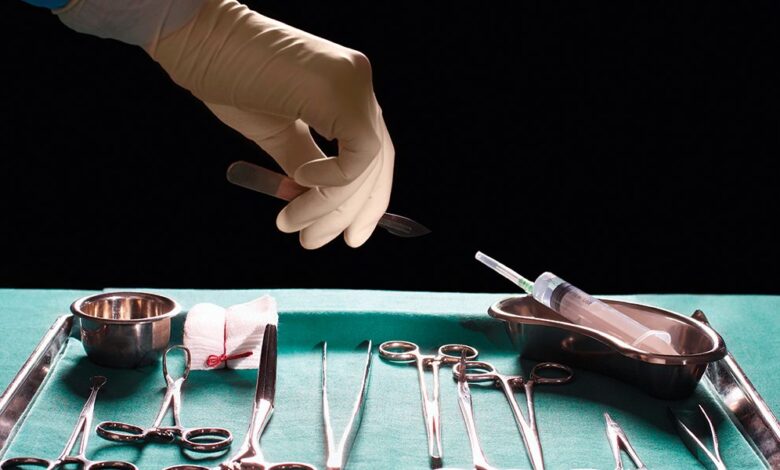
Improved standards are needed to help reduce the risk of surgical swabs being left inside patients after an invasive procedure, according to a report from patient safety investigators.
The report warned that the current reconciliation process that surgical staff use to keep track of swabs does not provide a “strong systematic barrier” to error.
“What we have called for in our report is for those working in healthcare to think differently about the issue”
Saskia Fursland
The Health Services Safety Investigations Body (HSSIB), which published the report, has called for a new risk-assessment framework to be developed.

The latest data from NHS England shows that, between 2015 and 2023, there were between 11 and 23 yearly incidents where a surgical swab was accidentally left behind inside a patient after surgery.
These “retained” swabs can cause patient distress, and require further surgery, prolonged hospital stays and extended time off work. They also carry a risk of infection and death, noted the HSSIB.
The HSSIB report also included details of a case where an x-ray identified a surgical swab left behind in the chest of a 59-year-old woman who had undergone five-hour open heart surgery.
The patient went back into theatre so that the swab could be removed only to have another left-behind surgical swab identified on a further x-ray, requiring that she return to surgery for a third time.
Based on this case and a wider investigation, the HSSIB has identified a number of factors that reduce the effectiveness of the swab reconciliation process, increasing the likelihood that a patient could leave surgery with a swab still inside them.
One of these factors was the pressure on staff to correctly carry out safety procedures while working as fast as possible, according to the report titled Retained swabs following invasive procedures: themes identified from a review of NHS serious incident reports.
Staff told investigators they were under pressure to increase throughput to tackle long waiting lists and safety procedures, such as the swab reconciliation process, were time consuming and led to a loss of productivity.
Other risk factors included the design of the swabs themselves, which were often difficult to see once they were inside a patient, and the number of other tasks that have to be carried out by surgical staff at the same time as swab reconciliation.
An interim report from the HSSIB, published in December 2023, found that these factors were often not the focus of incident reports, which instead placed the blame for retained surgical swab events on individual surgeons, nurses or other theatre staff.
Based on the investigation, the HSSIB has now recommended that the process and standards used for the reconciliation of swabs be reviewed and amended, using human factors expertise and user-centred design.
It has also recommended that NHS England develop a risk assessment framework, to allow healthcare organisations to develop risk strategies and document their risk acceptance criteria and tolerance.
The report also recommended that research be carried out into the viability of introducing technologies to reduce the risk of retained swabs.
It should balance patient safety, costs, benefits, design, implementation, and the various ways in which the technology could be used to reduce other patient safety concerns to as low as reasonably practicable.
The senior safety investigator at the HSSIB, Saskia Fursland, said: “What we have called for in our report is for those working in healthcare to think differently about the issue and apply a view of the whole system that underpins the process – examine all the factors that influence the swab counting rather than just focusing on individual actions or behaviours.”
She said: “We have also reinforced that the healthcare system must continue to look at how they assess and manage risks and maintain the right balance between safety, and other priorities such as financial costs, productivity, and efficiency.”
“The recommendations we have made are aimed to influencing safety improvements, not just for swabs but any item used in surgical procedures, and at encouraging a different approach that could lead to sustained change,” she added.