UPMC Magee ICU Nurses Injured in Patient Attack Amid Union Safety Fight

Three nurses were involved in a violent patient encounter in the intensive care unit at UPMC Magee-Womens Hospital in Pittsburgh on June 16, 2026, and sources told WPXI that several healthcare workers were hurt. At least one nurse remains off the job.
The incident, first reported by WPXI’s investigative series Code Blue, is now at the center of a larger fight over whether nurses at one of Pittsburgh’s most prominent hospitals will win the safety and staffing protections they say can prevent the next one.
Want to see more Nurse.org articles in your Google results? Add us as a preferred source.

According to WPXI, the patient was hallucinating and fighting staff when a nurse hit the panic button to summon security. Sources told the station that security took more than five minutes to respond. UPMC disputed that account, saying the response was “under two minutes.”


What is not in dispute: the patient kicked, hit, bit, and attempted to headbutt staff while nurses tried to restrain them. The patient grabbed and twisted one nurse’s arm; she yelled for help, suffered possible torn ligaments according to sources, and has not returned to work. The timeline for her return is unclear.
It was not the only violent incident on that shift. Sources told WPXI that a different patient had assaulted a nurse earlier the same morning. No charges have been filed in connection with either incident.
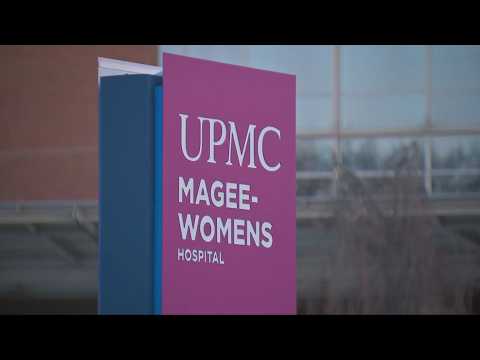
UPMC initially declined to confirm or comment on the attack. When WPXI returned with follow-up questions, the health system released a statement: “We regret that any patient would become violent with any of our team members. Three nurses were involved in the incident, and the security response was under two minutes. We take workplace safety very seriously, care for the team members who were involved, and respect their privacy.”
>>Listen to The Latest Nurse News Podcast
The attack at Magee is not an isolated story. WPXI has been tracking healthcare worker violence across Pennsylvania for more than a year, and the picture it has assembled is bleak. In an exclusive survey conducted by the station, 93 percent of Pennsylvania healthcare workers said they are afraid at work.
That finding is consistent with national data. According to the American Nurses Association, one in four nurses has experienced workplace violence, a rate higher than that faced by police and correctional officers. Healthcare workers are nearly five times more likely to be injured by workplace violence than workers in other industries. The patients most likely to become violent are often those in crisis — hallucinating, in pain, or in mental health emergencies — the same patients nurses in an ICU are responsible for around the clock.
Pennsylvania’s nursing shortage compounds the risk. With an estimated shortfall of 20,000 nurses statewide, Pennsylvania has one of the worst gaps in the country.
A 2026 University of Pennsylvania study published in Medical Care analyzed outcomes for more than 547,000 patients across 132 Pennsylvania hospitals and found that each additional patient assigned to a nurse was associated with 8% higher odds of death within 30 days. The same researchers estimated that adopting safer staffing ratios statewide could prevent up to 3,040 deaths, avoid more than 2,100 hospital readmissions annually, and reduce total hospital stays by more than 77,000 patient days.
The June 16 attack landed squarely in the middle of ongoing contract negotiations between SEIU Healthcare Pennsylvania and UPMC. Magee nurses voted to unionize in August 2025 and are now negotiating their first contract. Safe staffing ratios and security protections have been among the union’s central demands, alongside a pay structure designed to retain experienced nurses.
The union did not comment to WPXI on this specific incident, but organizers have been clear about how they plan to use it: as a concrete, documented example of what nurses say is baked into the current system. According to reporting by Hoodline, union leaders intend to bring the ICU incident directly into bargaining as they continue pushing for enforceable safety and staffing standards.
The Magee nurses are not alone in that fight. Nurses at Jefferson Einstein Philadelphia Hospital voted overwhelmingly to authorize a strike if contract talks collapse, and nurses around the country are increasingly turning to collective bargaining to address conditions on the floor — with safe staffing, not pay, driving the majority of organizing activity. When healthcare unions get to the ballot, they have won roughly 87–90% of elections over the past two years, according to industry labor tracking data.
At the state level, Pennsylvania’s Patient Safety Act (House Bill 106) would set legally enforceable nurse-to-patient ratios, including a 1:2 limit in intensive care units. The bill passed the House with bipartisan support in 2023. It has not received a Senate vote.
If you experience or witness workplace violence, document it. File an incident report regardless of whether your employer encourages it or whether law enforcement is likely to pursue charges. As advocates have pointed out, reporting holds employers accountable and creates the paper trail that supports legislative and legal action. For guidance on the steps to take after an assault, see our full resource here.
The nurse at UPMC Magee who is still off work after June 16 may not have a name in any public record. But her injury, and the system that put her in that room without adequate backup, is the argument nurses across Pennsylvania are taking to the bargaining table.
🤔 Have you ever experienced patient violence at work? Tell us your experience in the comments below.
If you have a nursing news story that deserves to be heard, we want to amplify it to our massive community of millions of nurses! Get your story in front of Nurse.org Editors now – click here to fill out our quick submission form today!
-
Published on
June 29, 2026
Written by