Nurses Are Stretched Thin by the Rise in Pediatric Hospital Boarding
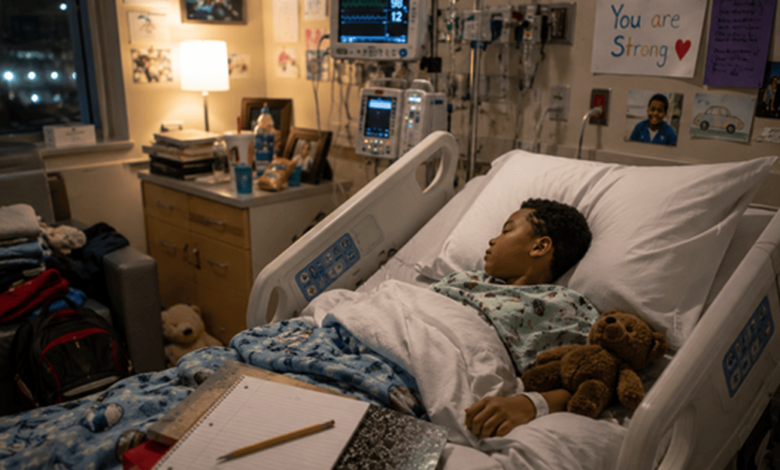
A growing number of medically cleared children are spending weeks or months stuck in hospital beds, and the burden of caring for them is increasingly falling on nurses, according to a KFF Health News investigation published May 18, 2026. The reporting details how families, state child welfare agencies, and hospitals across Missouri, Illinois, Minnesota, Georgia, and Colorado are struggling to find safe discharge destinations for kids with complex medical or behavioral health needs.
The practice, known inside hospitals as “boarding” or a “social stay,” has left children sleeping in acute care rooms long after they no longer require hospital-level treatment. One St. Louis teenager, paralyzed by a 2023 shooting and identified by his mother’s nickname Quette, remained in a children’s hospital for months while his family searched for a placement. His grandmother and legal guardian died during the stay, and he later became a ward of the state.
“I had to give up. I just couldn’t take care of him anymore,” Quette told KFF Health News, after repeated requests for home health aides were denied.
The numbers are staggering. According to the Missouri Hospital Association, the state’s Department of Social Services reimbursed 19 hospitals $16.3 million for 9,943 boarding days last fiscal year, equating to more than $1,600 per night. Mercy, one of Missouri’s largest hospital systems, logged 2,687 boarding days over an 18-month stretch.
In Minnesota, a 2017 study put the daily cost of boarding a child with complex medical needs at roughly $3,932, and a 2023 hospital association survey estimated $487 million in unpaid costs across 195,000 unnecessary patient days for both adults and children. Illinois recorded 304 youth in psychiatric hospitals beyond medical necessity in the last fiscal year, with 43% between ages 13 and 16. Georgia families have relinquished an estimated 500 children to the state to access behavioral health care, according to the same reporting.

“It’s definitely a national problem,” Boston Children’s Hospital pediatrician Dr. Elaine Lin, who chairs the American Academy of Pediatrics’ Section on Home Care, told KFF Health News. Lin pointed to a critical shortage of pediatric home nursing as a primary driver.
Bedside teams, particularly nurses, are absorbing the fallout. Some facilities are hiring sitters to supervise boarded children, while others have shifted chaperoning duties to existing hospital workers, according to coverage from KHQA News. Quette’s paralyzed son required wound care and repositioning every four hours, tasks that fell to hospital nursing staff for months on end.
Lynn Rasnick, a nurse and vice president at the Missouri Hospital Association, has urged state lawmakers to act. “You can’t just discharge a 9-year-old into the street,” Rasnick told legislators, per the KFF Health News report.
Republican state Sen. Jamie Burger has repeatedly introduced legislation aimed at speeding placement and ensuring payment for hospitals housing boarded kids. Each version has died in committee. Patty Morrow, a vice president at Mercy, summed up the frustration: “That was never really ever the intended purpose of a hospital.”
>>Listen to The Latest Nurse News Podcast
For nurses, hospital boarding is far more than an administrative or budgeting headache. It changes the day-to-day reality of bedside care. Pediatric units designed for acute illness are staffing long-term for children who do not need that level of intervention, stretching ratios, fueling moral distress, and pulling nurses away from patients who actually need acute interventions. A qualitative analysis published in PubMed Central documented elevated burnout and emotional fatigue among nurses caring for boarded pediatric mental health patients.
The home nursing shortage cited by Dr. Lin is also a workforce issue. Pediatric home health roles often pay less than hospital positions and require travel, contributing to chronic staffing gaps that keep medically complex kids in acute beds. Advocates warn that Medicaid financing pressures could make it harder to expand home-care capacity.
Nurses tracking policy in Missouri, Illinois, and other affected states should keep an eye on bills aimed at faster placement, reimbursement parity, and home-nursing expansion. Bedside nurses can also document boarding days and report safety concerns through hospital quality channels, the same kind of reporting that helped surface the data fueling these reform efforts.
🤔 Have you cared for a medically cleared child stuck on your unit while the state searched for placement? Share your thoughts in the comments below.
If you have a nursing news story that deserves to be heard, we want to amplify it to our massive community of millions of nurses! Get your story in front of Nurse.org Editors now – click here to fill out our quick submission form today!
-
Published on
May 19, 2026
Written by