Nurses at YesCare Jails Haven’t Been Paid in Weeks. Now Their Employer Is Bankrupt.
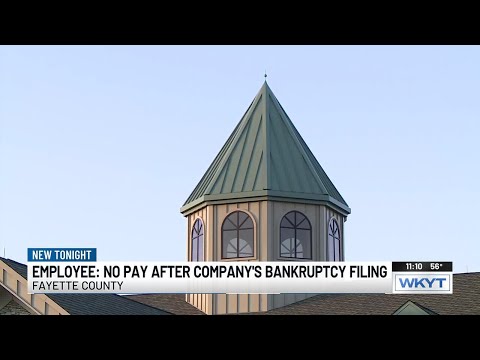
Nurses working inside a Florida jail have gone weeks without a paycheck after their employer, correctional healthcare giant YesCare, filed for bankruptcy. Staff at the Leon County Detention Facility in Tallahassee confirm they have not been paid since May 1, 2026 — a fact now documented in federal court filings, not just reported by workers.
YesCare filed for Chapter 11 bankruptcy protection on May 8, listing up to $500 million in liabilities, including roughly $9.7 million in unpaid wages and salaries owed to its workforce. The nurses, who provide medical care for inmates at the jail, are struggling to cover rent, utilities, and groceries while waiting for answers from a company that has largely stopped communicating with them.
The Leon County crisis is one piece of a much larger collapse playing out across the country, with YesCare healthcare workers in Alabama, Kentucky, New York, New Mexico, and Florida all reporting missed paychecks and dwindling supplies.
Two nurses at the Leon County Detention Facility spoke publicly to WCTV about the situation, describing the financial pressure their colleagues are under.
Christina Penton, a full-time nurse with YesCare, told the station: “We can’t buy food, we can’t buy the things that we need. No one has been reaching out to try to help us.”

Shika D., a part-time nurse at the facility, said staff are watching their lives unravel while waiting for paychecks that may never arrive. “They’re just frustrated because people have kids and they have their bills. They’re risking being evicted, they’re risking their lights being turned off, they’re risking not being able to get any groceries to help feed their families.”
The nurses say the company told them in a memo that bankruptcy was coming, but they have received few specifics on when — or if — they will be paid for work they have already completed. WCTV reported it reached out to YesCare for comment and did not receive a response.
$500 Million Bankruptcy, $307 Million Verdict, and a Company That’s Done This Before
YesCare, a Brentwood, Tennessee-based correctional healthcare provider, filed for Chapter 11 bankruptcy protection on May 8, 2026, in the U.S. Bankruptcy Court for the Middle District of Florida. The filing lists assets of $50 million to $100 million and liabilities of up to $500 million across roughly 5,000 creditors.
According to Bloomberg Law, one of the major drivers of the bankruptcy was a $307 million adverse jury verdict in a professional liability case in federal court in Michigan.
Here is the part that should make every correctional and contract nurse pay attention: YesCare is the successor company to Corizon Health, which itself filed for bankruptcy in 2023 amid hundreds of medical malpractice lawsuits. This is the second time in three years that nurses working under this corporate umbrella have shown up for work, done their jobs, and come away without the pay they were promised — different name, same result.
Court documents show the company owes $9.7 million in unpaid wages and salaries, $4.9 million in accrued paid time off, $1.25 million to temporary workers, and roughly $225,000 per month to independent contractors. The filing says one group of employees is owed for three weeks of work between April 19 and May 8, and another group is owed for two weeks of work between April 26 and May 8. YesCare has asked the bankruptcy court for permission to pay the wages it owes its 747 full-time and 809 part-time workers.
>>Listen to The Latest Nurse News Podcast
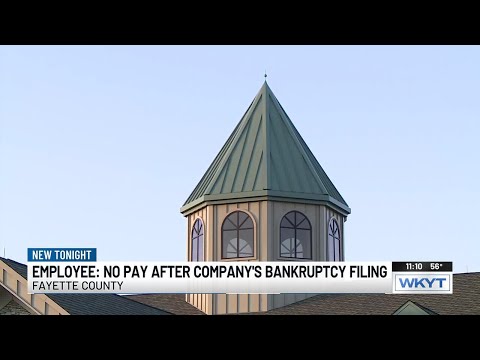
Leon County is far from alone. In Lexington, Kentucky, more than 100 YesCare employees at the Fayette County Detention Center entered their third week without pay this month, with one health assistant telling WKYT she had been “robbing Peter to pay Paul” to keep her family afloat.
In Alabama, where the state cancelled YesCare’s $1.06 billion contract with the Department of Corrections in late April, healthcare workers told WSFA they have lost vehicles and overdrafted their bank accounts trying to keep showing up for shifts. Licensed practical nurse Janetha Oliver said: “Basically, we haven’t heard from YesCare. At first, they were telling us we’re going to get paid Monday, then Tuesday. Now they just ain’t saying anything.”
Sheriff’s offices in Polk County, Florida, Louisville Metro Corrections, and Doña Ana County, New Mexico have terminated or moved off their YesCare contracts in response to the bankruptcy. In several cases, local governments have stepped in directly to pay healthcare workers out of their own budgets — because the alternative was leaving jails without medical coverage entirely. Think about that for a moment: taxpayers are now paying nurses that a private contractor already collected public money to employ.
The Leon County Sheriff’s Office told WCTV it is “aware of developments involving YesCare and immediately initiated contingency planning to ensure uninterrupted medical services at the Leon County Detention Facility.” The agency said medical staff continue reporting for duty and that it has been actively engaged with staffing partners and medical personnel to maintain continuity of care.
For the nurses themselves, that continuity has come at a personal cost. They are still walking into a jail to care for patients, even as the paychecks for that work remain in limbo.
The YesCare collapse is a stark reminder of how exposed nurses can be when a single private vendor holds the contract for their workplace. Correctional nursing, like staffing agency and travel work, can come with extra financial risk when the employer of record runs into trouble. Nurses in these roles may have limited leverage to recover back wages outside of bankruptcy court, and unpaid wage claims often sit behind secured creditors in the payout line.
If you work for a vendor that has filed Chapter 11, you may be able to file a wage claim through the bankruptcy proceeding — and you should document hours worked, pay stubs, and any company communication carefully. State labor departments and your state board of nursing may also have resources if your employer is unable to pay you.
The broader takeaway: vet your employer’s financial footing the same way you vet a unit’s staffing ratios, especially in correctional and contract settings where one canceled contract can put hundreds of nurses on the hook for missed pay.
🤔 Have you ever worked for a healthcare employer that suddenly couldn’t make payroll? Share your thoughts in the comments below.
If you have a nursing news story that deserves to be heard, we want to amplify it to our massive community of millions of nurses! Get your story in front of Nurse.org Editors now – click here to fill out our quick submission form today!
-
Published on
May 21, 2026
Written by